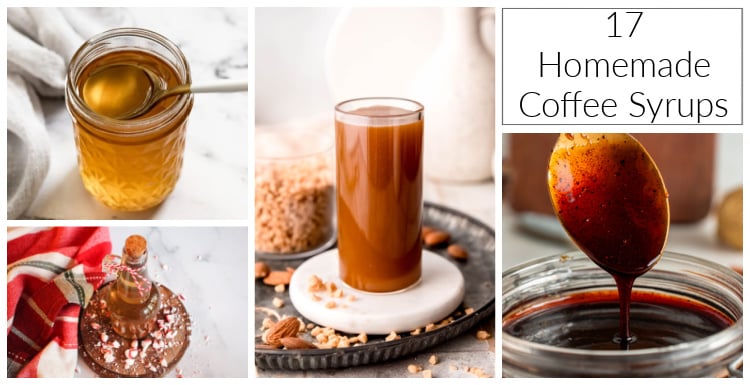
Homemade Flavor Syrups: Elevate Coffee & More
Imagine transforming your everyday coffee into a gourmet experience, crafting unique cocktails that impress, or adding a delightful twist to your morning pancakes – all with simple, homemade ingredients. This isn't a fantasy reserved for professional baristas or seasoned chefs; it's the accessible reality of making your own flavor syrups. Learning how to make coffee syrup, or any other flavor syrup, is a game-changer that promises to revolutionize your kitchen and your wallet. Say goodbye to expensive store-bought options filled with artificial ingredients, and hello to a world of customizable, delicious possibilities.Why Go Homemade? The Unbeatable Benefits of DIY Syrups
The allure of crafting your own flavor syrups extends far beyond mere cost savings, though that's certainly a significant perk. Once you discover the ease and versatility of homemade syrups, you'll wonder why you ever bought those cloying, chemically-flavored bottles from the grocery store.Cost-Effectiveness: Store-bought flavored syrups can be surprisingly expensive, especially for premium brands. The core ingredients for homemade versions – sugar and water – are incredibly cheap. Even with the addition of high-quality extracts or fresh ingredients, you'll still spend a fraction of the cost, making it an easy recipe to save money.
Ingredient Control: This is perhaps the most compelling reason to go DIY. Commercial syrups often contain high-fructose corn syrup (HFCS), artificial flavors, colors, and preservatives. When you make your own, you control every single ingredient. You can choose organic sugar, natural extracts, or fresh fruits and spices, ensuring a product free from unwanted additives. For those monitoring sugar intake, alternatives like Splenda or coconut sugar can easily be incorporated.
Unleash Customization: The flavor possibilities are truly endless. Tired of just vanilla and caramel? Dream of a lavender-infused syrup for your iced tea, a spicy chai syrup for your latte, or a vibrant berry syrup for your cocktails? With homemade syrups, your imagination is the only limit. You can adjust the intensity of flavors, experiment with unique combinations, and tailor every batch to your exact preferences.
Superior Taste and Freshness: There's an undeniable difference in taste when you use fresh ingredients. Homemade syrups boast a brighter, more authentic flavor profile that simply can't be replicated by mass-produced alternatives. Plus, knowing exactly what went into your syrup makes every sip more enjoyable.
Eco-Friendly: Reduce your plastic waste by reusing your own glass bottles or jars. This small step contributes to a more sustainable kitchen, minimizing your environmental footprint.
The Simple Science Behind Flavor Syrups: Mastering the Basic Simple Syrup
At its heart, every delicious flavor syrup begins with a simple syrup. This fundamental liquid sweetener is a staple in bars and kitchens worldwide, forming the perfect canvas for your culinary creations.The Core Components: A simple syrup is, as its name suggests, incredibly simple. It's just two ingredients: sugar and water. The magic happens when these two combine to create a stable, pourable sweetener that easily disperses into both hot and cold beverages.
The Ratio Matters: The standard ratio for simple syrup is 1:1, meaning equal parts sugar and water by volume. This yields a versatile syrup suitable for most applications. For a richer, thicker syrup that offers more sweetness with less liquid (ideal for cocktails or a more intense coffee flavoring), you can use a 2:1 ratio (two parts sugar to one part water). Experiment to find your preferred consistency.
The Process: The method is straightforward. Combine your sugar and water in a heavy, medium saucepan. A heavier pot helps distribute heat more evenly and prevents scorching. Bring the mixture to a gentle boil over medium heat, stirring frequently. The goal isn't to boil vigorously, but to ensure all the sugar crystals fully dissolve into the water. Once the sugar has completely dissolved and the liquid is clear, you have simple syrup ready for flavoring.
Avoiding Crystallization: One common pitfall when making simple syrup is crystallization, where the sugar re-forms into hard crystals. To prevent this:
- Ensure your saucepan and all utensils are thoroughly clean and dry. Any lingering sugar crystals can act as "seeds" for new ones.
- Avoid extreme temperature changes. Don't introduce a cold spoon or pan to your simmering syrup.
- Resist the urge to stir excessively once the sugar has dissolved.
- Adding a tiny pinch of cream of tartar or a few drops of lemon juice can also help inhibit crystallization, especially with higher sugar concentrations.
Sugar Choices: While traditional granulated white sugar is the go-to, don't be afraid to explore. For a nuanced flavor profile, try cane sugar. If you're looking for alternatives, Splenda, coconut sugar, or other sugar substitutes can be used, though they may slightly alter the final texture and sweetness level. Always consult packaging instructions for substitution ratios when using sugar alternatives.
Unleashing Your Inner Barista: Exciting Flavor Variations
Once you've mastered the basic simple syrup, the world of flavor is truly your oyster. This is where your creativity shines, transforming a basic sweetener into something extraordinary. Here's how to make coffee syrup with various exciting flavor variations:Vanilla Syrup: A timeless classic. For a bright, clean vanilla flavor, stir in a good quality vanilla extract after the syrup has cooled slightly. For a deeper, more complex aroma, split a vanilla bean lengthwise and simmer it with the sugar and water, allowing it to steep as the syrup cools. The latter offers a more robust, authentic vanilla experience.
Warm Spice Syrups: Perfect for autumn and winter, or whenever you crave coziness. Think cinnamon, cardamom, nutmeg, cloves, or even star anise. Add whole spices (cinnamon sticks, cardamom pods, whole cloves) to the sugar and water mixture as it simmers. Let them steep in the syrup as it cools for maximum flavor infusion. For a quick fix, ground spices can be added, but be sure to strain the syrup before bottling to avoid a gritty texture.
Peppermint Syrup: Ideal for holiday lattes or a refreshing mint tea. This one has a unique trick: use old-fashioned peppermint candies! Add a handful of peppermints to the simple syrup as it gently boils. They will slowly melt, infusing the syrup with their distinct minty flavor and often a beautiful reddish hue. This method yields a wonderfully nostalgic taste.
Caramel Syrup: A beloved favorite. While you could make caramel from scratch, for an easier route, simply stir in your favorite store-bought caramel sauce (or a homemade salted caramel sauce, if you're feeling ambitious) into your warm simple syrup. A little goes a long way in adding that rich, buttery sweetness.
Maple Syrup: For a uniquely rich and earthy sweetness, use pure maple syrup as either a direct substitute for simple syrup (if thinning is desired) or add it as a flavor enhancer to a standard simple syrup base. This works wonderfully in fall-themed lattes or drizzled over breakfast foods.
Fruit Syrups: Bursting with natural sweetness and vibrant color. Simmer fresh or frozen berries (strawberries, raspberries, blueberries), sliced citrus (lemons, limes, oranges), or even stone fruits (peaches, cherries) with your sugar and water. Mash the fruit gently as it cooks to release juices, then strain the finished syrup through a fine-mesh sieve for a smooth consistency. A fantastic addition to sparkling water or cocktails.
Herbal & Floral Syrups: For adventurous palates. Fresh herbs like rosemary, thyme, or mint, or edible flowers like lavender or rose petals, can create sophisticated flavor profiles. Gently simmer the herbs/flowers with the simple syrup, then remove from heat and let them steep for 15-30 minutes (or longer for a stronger flavor) before straining.
Storage Tips for Longevity:
Once cooled, transfer your homemade syrups to clean, airtight glass bottles or jars. Store them in the refrigerator. Generally, simple syrups made with water and sugar will last for about 2-4 weeks. Syrups made with fresh fruit or dairy (like caramel) may have a slightly shorter shelf life, typically 1-2 weeks. Always smell and visually inspect before using.
Beyond Coffee: Versatile Uses for Your Homemade Creations
While coffee might be the first thing that comes to mind, these homemade flavor syrups are incredibly versatile. They are not just "coffee syrup" by any name; they're an essential addition to any home bar or kitchen. As Shakespeare (almost) said, "What’s in a name? A coffee syrup by any other name would taste just as awesome!" These syrups can be called hot chocolate syrup, ice cream syrup, tea syrup, cocktail syrup – the possibilities are truly vast.- Hot & Cold Beverages: Obviously, coffee and hot chocolate are prime candidates. But don't forget iced tea, lemonade, sparkling water, or even milk (think a delicious homemade version of Rhode Island Coffee Milk – a regional classic that deserves to be known nationwide!).
- Cocktails & Mocktails: Many classic cocktails rely on simple syrup. Infuse yours with herbs, spices, or fruits to create signature drinks that will impress your guests.
- Desserts: Drizzle over pancakes, waffles, French toast, ice cream, yogurt, or fresh fruit. Use them to sweeten whipped cream or glaze cakes. They can even be brushed onto cake layers to keep them moist and add extra flavor.
- Baking: Incorporate into frostings, glazes, or even as a flavor booster in certain batters.
- Shakes & Smoothies: Add a splash for natural sweetness and a burst of flavor.
- A Thoughtful Gift: Bottled in pretty jars with a custom label, homemade flavor syrups make wonderful, personal gifts for the coffee lover, cocktail enthusiast, or dessert fan in your life.
A Step-by-Step Guide: How to Make Coffee Syrup (and Any Other Flavor!)
Ready to get started? Here’s the straightforward recipe for your foundational homemade syrup, ready for any flavor adventure.Ingredients:
- 1 cup granulated white sugar (or chosen sugar alternative)
- 1 cup water
- Your chosen flavor add-ins:
- 1-2 teaspoons good quality vanilla extract (add after cooling) OR 1 vanilla bean, split
- Handful of old-fashioned peppermints
- 1-2 tablespoons favorite caramel sauce
- 1-2 cinnamon sticks, 1 teaspoon cardamom pods, or 1/2 teaspoon ground spices
- 1/4 cup fresh fruit (berries, sliced citrus), mashed
- Sprig of fresh herbs (rosemary, mint) or 1 tablespoon dried lavender
Equipment:
- Heavy, medium saucepan or pot
- Whisk or spoon for stirring
- Fine-mesh sieve (for straining fruit, spices, or herbs)
- Heat-proof jar or container for storage
Instructions:
- Combine Base Ingredients: Pour the sugar and water into your heavy, medium saucepan. If using whole spices (like cinnamon sticks, cardamom pods), a vanilla bean, or fresh herbs/fruit, add them to the pot now.
- Bring to a Gentle Boil: Place the saucepan over medium heat. Stir often until the sugar fully dissolves. Watch for the liquid to become clear and shimmer; avoid a vigorous, rolling boil. This typically takes 3-5 minutes.
- Infuse Flavors (if applicable): If you’re using ingredients like peppermints (which will melt) or caramel sauce, stir them in now until fully incorporated. If using extracts (like vanilla), wait until the syrup has cooled slightly to prevent the alcohol from evaporating too quickly.
- Simmer and Reduce (Optional): For a thicker, more concentrated syrup, reduce the heat to low and allow the syrup to simmer gently for 5-10 minutes, or until it reaches your desired consistency, potentially reducing by about half. Be mindful that it will thicken further as it cools.
- Cool and Strain: Remove the saucepan from the heat. If you added whole spices, vanilla beans, fruit, or herbs, allow them to steep in the cooling syrup for 15-30 minutes (or longer for a stronger flavor) before straining the syrup through a fine-mesh sieve into a clean bowl or directly into your storage jar. Discard the solids. If using vanilla extract, stir it in now.
- Store Properly: Once the syrup is completely cool, transfer it to a clean, airtight jar or bottle. Store in the refrigerator.
You’ve just unlocked a world of flavor! Your homemade syrup is now ready to elevate your coffee, cocktails, desserts, and so much more.
